Marine underwriting: from insurance submission to agreed cover
How marine underwriters assess vessels, cargo and liabilities, use claims information, set policy terms and distinguish a quotation from bound insurance.
7 min readRead guide
 marinePRACTICE HUB
An underwriting decision depends on the operation, the losses it could produce and the insurer’s appetite. Follow the assessment from the first submission through quotation and binding, with examples of cargo, vessel and liability exposures.
3 guides ·Foundation & Intermediate · Free to readHow marine underwriters assess vessels, cargo and liabilities, use claims information, set policy terms and distinguish a quotation from bound insurance.
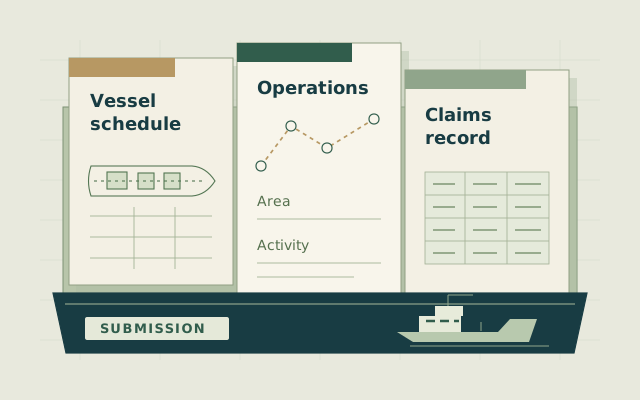
Build a useful marine insurance submission with the right vessel, cargo, liability and claims information, clear assumptions and a practical renewal example.
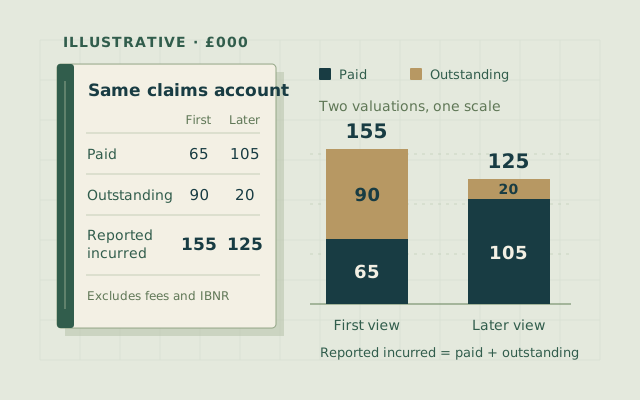
Understand paid claims, outstanding reserves, loss ratios and development through a worked marine account, and see why claims history needs operational context.
Hull, cargo, P&I and loss of hire, plus the reinsurance arrangements behind an insurer’s risk.
Explore the subjectGoods in transit, insured values and the practical differences between cargo clauses.
Explore the subjectNotification, evidence and settlement, with general average contributions and salvage rewards.
Explore the subjectOwners, charterers, carriers and cargo interests, and the contracts that connect their responsibilities.
Explore the subject